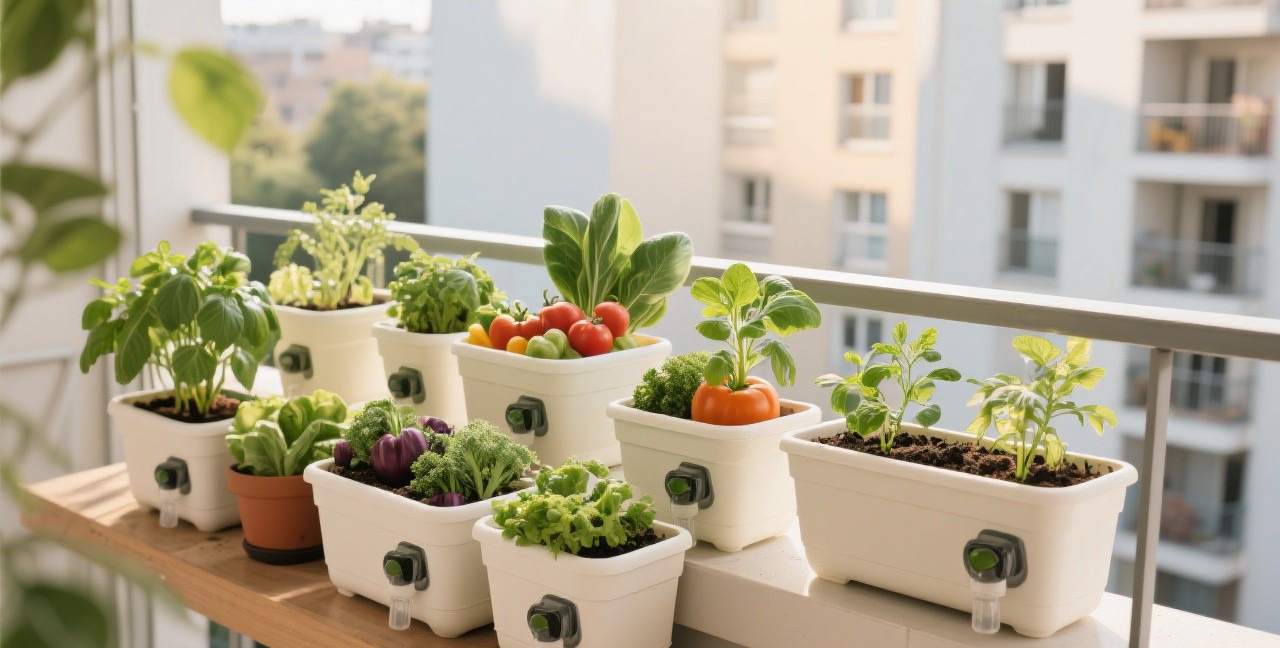
Self-Watering Container Systems: Low-Maintenance Garden Solutions
Gardening is one of the most fulfilling hobbies you can cultivate, and understanding how self-watering containers work through capillary action offers a wonderful entry point for both novices and seasoned green thumbs alike. There is a unique joy in watching something grow from a tiny seed or cutting into a thriving, healthy plant that beautifies your space and, in many cases, provides fresh produce or herbs for your kitchen. This guide is designed to give you a complete understanding of the subject, from the science behind why certain techniques work to the practical, step-by-step instructions you need to implement them successfully. We will cover soil preparation, planting schedules, watering routines, and ongoing maintenance so that you can avoid the most common mistakes that lead to disappointment. Whether you have a sprawling backyard or a tiny apartment balcony, the principles we discuss here can be adapted to fit your specific situation and help you create the garden you have always wanted.
Understanding the Fundamentals of understanding how self-watering containers work through capillary action
Before diving into any project, it is essential to build a solid foundation of understanding about the key principles involved. understanding how self-watering containers work through capillary action requires careful attention to several factors that will ultimately determine the quality and longevity of your results. Taking the time to educate yourself on these fundamentals will save you significant time, money, and frustration down the road. The most successful projects are almost always the ones that began with thorough research and thoughtful planning rather than rushing straight into execution.
One of the first things to consider is the scope of your project and how it fits into your broader goals. Are you looking for a quick weekend project that delivers immediate gratification, or are you willing to invest more time for a result that will last for years? Understanding this distinction will help you make better decisions about materials, tools, and techniques. For example, a temporary seasonal decoration might call for lighter materials and simpler construction methods, while a permanent fixture in your home demands higher-quality materials and more careful craftsmanship.
The environment in which your project will exist is another critical factor. Indoor projects have different requirements than outdoor ones, particularly when it comes to moisture resistance, UV stability, and temperature tolerance. Similarly, projects that will see heavy daily use, such as furniture or storage solutions, need to be built with durability as a top priority. By considering these factors from the outset, you can select the most appropriate materials and techniques for your specific situation, ensuring that your finished project not only looks great but performs reliably over time.
Essential Materials and Tools You Will Need
Gathering the right materials and tools before you begin is one of the most important steps in ensuring a smooth, successful project. There is nothing more frustrating than getting halfway through a task only to realize you are missing a critical component. We recommend creating a complete checklist based on the list below and purchasing everything you need in a single trip. This approach not only saves time but also allows you to compare prices and take advantage of any bulk discounts or sales that your local hardware or craft store might be offering.
Here is a comprehensive list of the materials and tools you will need for this project:
- commercial self-watering planters with built-in reservoirs
- plastic storage containers and PVC pipe for DIY self-watering planters
- wicking material like cotton rope or capillary matting
- water-soluble fertilizer for reservoir feeding systems
- overflow valves and drainage components for proper water management
When selecting your materials, quality matters more than you might think. It can be tempting to choose the cheapest option available, but investing in slightly higher-quality materials often pays for itself in the form of better results, fewer mistakes, and a longer-lasting finished product. This is especially true for items like paint, adhesive, and fasteners, where the difference between a budget and premium product can be the difference between a project that holds up beautifully for years and one that starts to deteriorate within months.
Do not underestimate the importance of having the right tools for the job. While it is possible to improvise with household items in some cases, using proper tools designed for the specific task at hand will produce cleaner, more precise results and significantly reduce the risk of injury. If you do not own a particular tool and do not anticipate needing it frequently, consider renting it from a local hardware store or borrowing it from a friend. Many communities also have tool libraries where you can borrow specialized equipment for a small fee or even for free.
Step-by-Step Guide: Building Diy Self-Watering Planters From Recycled Materials
Now that you have your materials assembled and your workspace prepared, it is time to dive into the actual process. We will walk you through each step in detail, explaining not just what to do but why each step matters. Understanding the reasoning behind each action will help you adapt the process if your specific situation requires modifications, and it will also make the entire experience more engaging and educational.
Begin by preparing your workspace thoroughly. This means clearing a large enough area to work comfortably, protecting surfaces that could be damaged by paint, glue, or tools, and ensuring you have adequate lighting. Good lighting is particularly important for tasks that require precision, as working in dim conditions is a recipe for mistakes. If your workspace does not have sufficient natural light, set up a desk lamp or work light that illuminates your entire work area evenly without creating harsh shadows.
As you work through each step, take your time and focus on quality over speed. Rushing through a project is one of the most common causes of mistakes, and many errors are difficult or impossible to correct once they have been made. If you find yourself getting frustrated or tired, it is better to take a break and return to the project with fresh eyes than to push through and risk making a costly mistake. Remember that this is supposed to be an enjoyable, creative process, not a race to the finish line.
Pay close attention to the measurements and specifications provided throughout this guide. While a small deviation of an eighth of an inch might not seem significant, these small inaccuracies can compound over the course of a project and lead to components that do not fit together properly. Use a quality measuring tape and double-check your measurements before making any cuts or permanent attachments. When in doubt, measure twice and cut once. This old adage exists for a reason and following it will save you from countless headaches.
Key Measurements and Technical Specifications
Precision is what separates a professional-looking result from one that appears amateurish. In this section, we provide the specific measurements, quantities, and technical details you need to achieve the best possible outcome. These numbers are based on extensive testing and real-world experience, so we encourage you to follow them closely, especially if this is your first time attempting this type of project.
DIY self-watering containers need a 2-3 gallon reservoir for a 5-gallon planter. Wicking ropes should be 0.25 inches in diameter and extend 4 inches into the soil. Reservoirs typically need refilling every 3-7 days depending on weather and plant size. Add 1 teaspoon of liquid fertilizer per gallon of reservoir water.
When working with these specifications, keep in mind that they are starting points rather than rigid rules. Depending on your specific space, materials, and design preferences, you may need to make adjustments. The key is to maintain consistent proportions and spacing throughout your project. If you decide to scale a measurement up or down, apply the same ratio to all related dimensions to preserve the overall balance and harmony of the design. For example, if you increase the width of a shelf by 20 percent, consider increasing the depth and bracket spacing by a similar proportion.
Keep a notebook or digital document handy to record any modifications you make to the standard measurements, along with notes about why you made each change and how the result turned out. This record will be invaluable for future projects, allowing you to refine your approach based on accumulated experience. Over time, you will develop an intuitive sense of what works and what does not, but in the beginning, detailed notes are your best tool for continuous improvement.
Advanced Techniques: Choosing The Best Commercial Self-Watering Containers For Different Plant Types
Once you have mastered the basics, there are numerous advanced techniques and variations you can explore to take your projects to the next level. These techniques build upon the foundation established in the previous sections and allow you to create more sophisticated, personalized results. Do not feel pressured to try everything at once. Instead, choose one new technique to incorporate into each successive project, gradually expanding your skill set and creative repertoire.
One of the most effective ways to elevate your work is to pay close attention to finishing details. The difference between a good project and a great one often comes down to how well the edges, corners, and transitions are handled. Taking the extra time to sand surfaces smoothly, fill small gaps and imperfections, and apply a high-quality finish will dramatically improve the overall appearance and perceived value of your work. These finishing steps may not be the most exciting part of the process, but they are arguably the most important in terms of the final impression your project makes.
Another valuable approach is to study the work of experienced craftspeople and designers in your chosen area. Visit museums, browse design books and magazines, and explore online platforms like Pinterest and Instagram for inspiration. Pay attention to the details that make their work stand out: the choice of materials, the proportions of different elements, the way light interacts with surfaces, and the overall sense of balance and harmony. You do not need to copy anyone else's work, but understanding the principles behind successful designs will help you develop your own aesthetic sensibility and make more confident creative decisions.
Finally, do not be afraid to experiment and make mistakes. Some of the most innovative and beautiful creations have emerged from what was initially considered an error or accident. The key is to approach each project with a mindset of curiosity and openness, viewing challenges as opportunities to learn rather than obstacles to overcome. With each project you complete, you will gain confidence, skill, and a deeper appreciation for the craft that will fuel your creative journey for years to come.
Pro Tips for the Best Results
After years of experience and countless projects, we have compiled our most valuable tips and tricks to help you achieve the best possible results. These insights go beyond the basic instructions to address the nuances that can make a real difference in the quality and durability of your finished project. Whether you are a beginner or an experienced crafter, we are confident you will find something useful in this collection of professional advice.
- Add a 1-inch layer of perlite at the bottom of the growing chamber to improve wicking action and prevent soil compaction
- Fill the reservoir with water and fertilizer solution rather than plain water to provide consistent nutrition to plants
- Check reservoirs weekly during hot weather and biweekly during cooler periods as plant water needs vary significantly
- Clean the wicking material and reservoir between plantings to prevent salt buildup and algae growth
- Use self-watering containers for moisture-loving plants like tomatoes peppers and herbs but avoid them for succulents and cacti
Remember that every expert was once a beginner, and the only way to improve is through practice and experimentation. Do not let fear of making mistakes prevent you from starting your project. Each mistake is a learning opportunity that brings you one step closer to mastery. Keep these tips handy as you work, and refer back to them whenever you encounter a challenge or need guidance on the best approach.
Conclusion: Bringing Your Vision to Life
Completing a project like understanding how self-watering containers work through capillary action is about much more than the finished product. It is about the satisfaction of creating something with your own hands, the skills you develop along the way, and the joy of seeing your vision become reality. Whether your project turns out exactly as you imagined or takes an unexpected but beautiful detour, the experience of creating it is valuable in itself. We hope this guide has given you the knowledge, confidence, and inspiration to get started and see your project through to completion.
As you continue to develop your skills in Container & Balcony Gardening, remember that the learning never stops. Each project teaches you something new, whether it is a technique that saves time, a material that works better than expected, or a design principle that you had not considered before. Embrace this continuous learning process and use it to push your creative boundaries further with each new project. The Gardening community is full of generous, knowledgeable people who are happy to share their experience, so do not hesitate to reach out, ask questions, and share your own discoveries.
We would love to hear about your experience with this project. Feel free to share photos of your finished work, ask questions about any steps that were unclear, or suggest topics you would like us to cover in future articles. Your feedback helps us create better content and builds a supportive community of makers and creators who inspire each other to keep learning, growing, and creating beautiful things for their homes and lives.